
Preparation first
I assess the surfaces before painting so cracks, dents, loose coatings and problem areas can be dealt with properly.
Interior painting that makes the whole room feel finished.
Careful preparation, clean edges and sensible paint choices for bedrooms, living rooms, kitchens, hallways, stairs and complete home refreshes.
Interior decorating is rarely just about changing colour. Filling, sanding, caulking, stain blocking and preparing tired surfaces can make the difference between a quick refresh and a room that genuinely feels renewed.
I assess the surfaces before painting so cracks, dents, loose coatings and problem areas can be dealt with properly.
Different rooms need different paint systems. I can talk you through durable, washable and moisture-resistant options where appropriate.
I protect floors and surrounding areas, and I aim to keep disruption sensible throughout the job.
A room can look simple from the doorway while hiding a surprising amount of preparation. Hairline cracks, old filler, loose caulk, dents, stained areas, glossy woodwork and previous paint edges all affect the final result. Before decorating starts, the useful question is not simply “what colour?” but “what condition are the surfaces in, and what finish do you want them to have?”
A typical room may involve protecting floors and furniture, removing loose material, filling and sanding defects, caulking appropriate gaps, spot-priming problem areas and then applying the chosen finish coats. Woodwork often needs its own preparation and paint system. Kitchens, bathrooms, halls and family rooms may also benefit from finishes chosen for cleaning, moisture or frequent contact.
Not every room needs the same amount of work. A relatively sound bedroom changing from one light colour to another may be straightforward. A hallway with damaged corners, marked walls and heavily used woodwork is a different project. My quote reflects the actual condition and the finish you expect, rather than treating every square metre as identical.
Large colour changes can require additional coats, and strong stains or unusual existing coatings may need a suitable primer before normal decoration continues. Where there is uncertainty, testing a small area first can be more sensible than making assumptions about adhesion or coverage.
Examples of my work, showing both the finished surfaces and the preparation involved in a detailed interior.
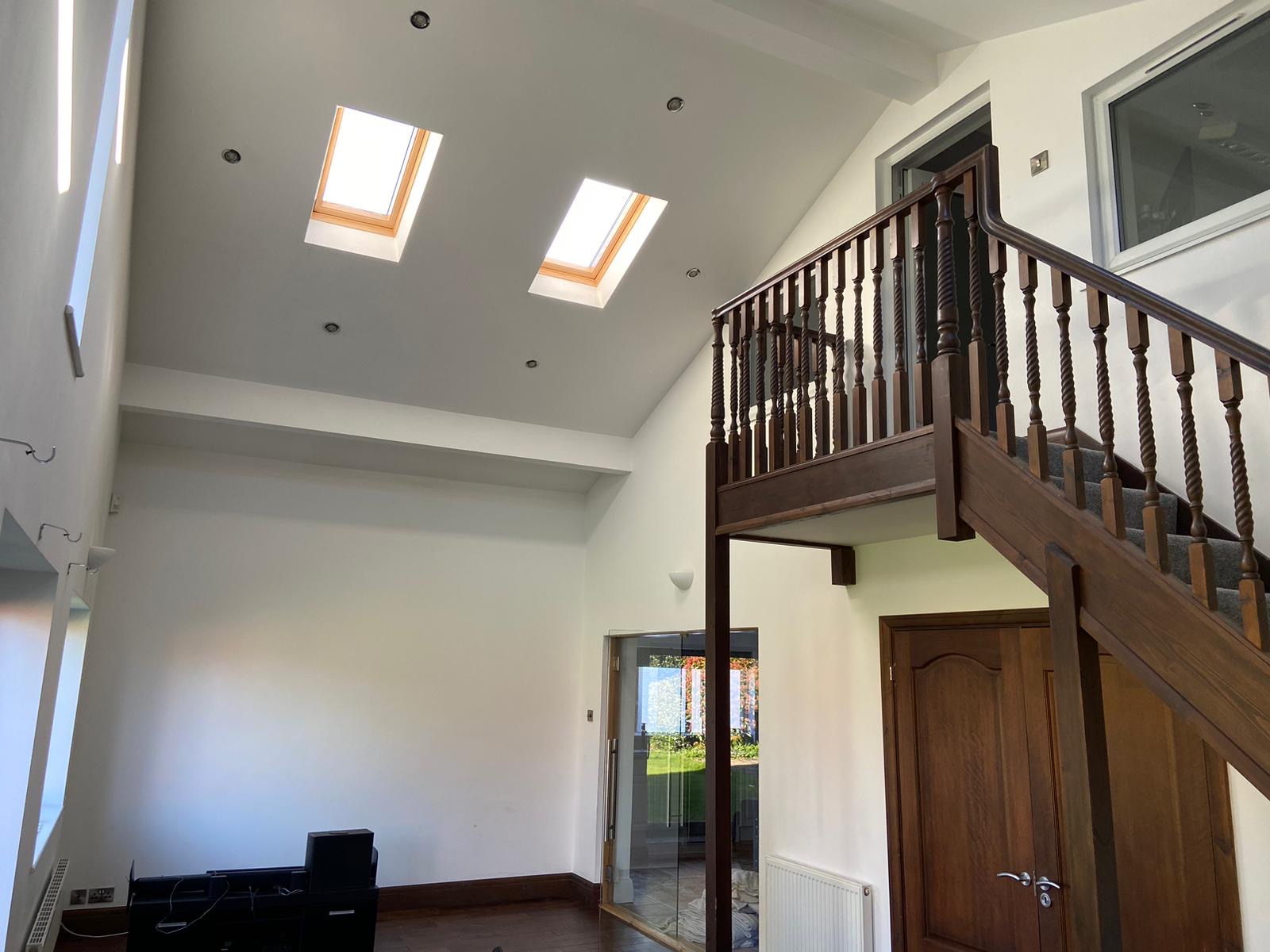
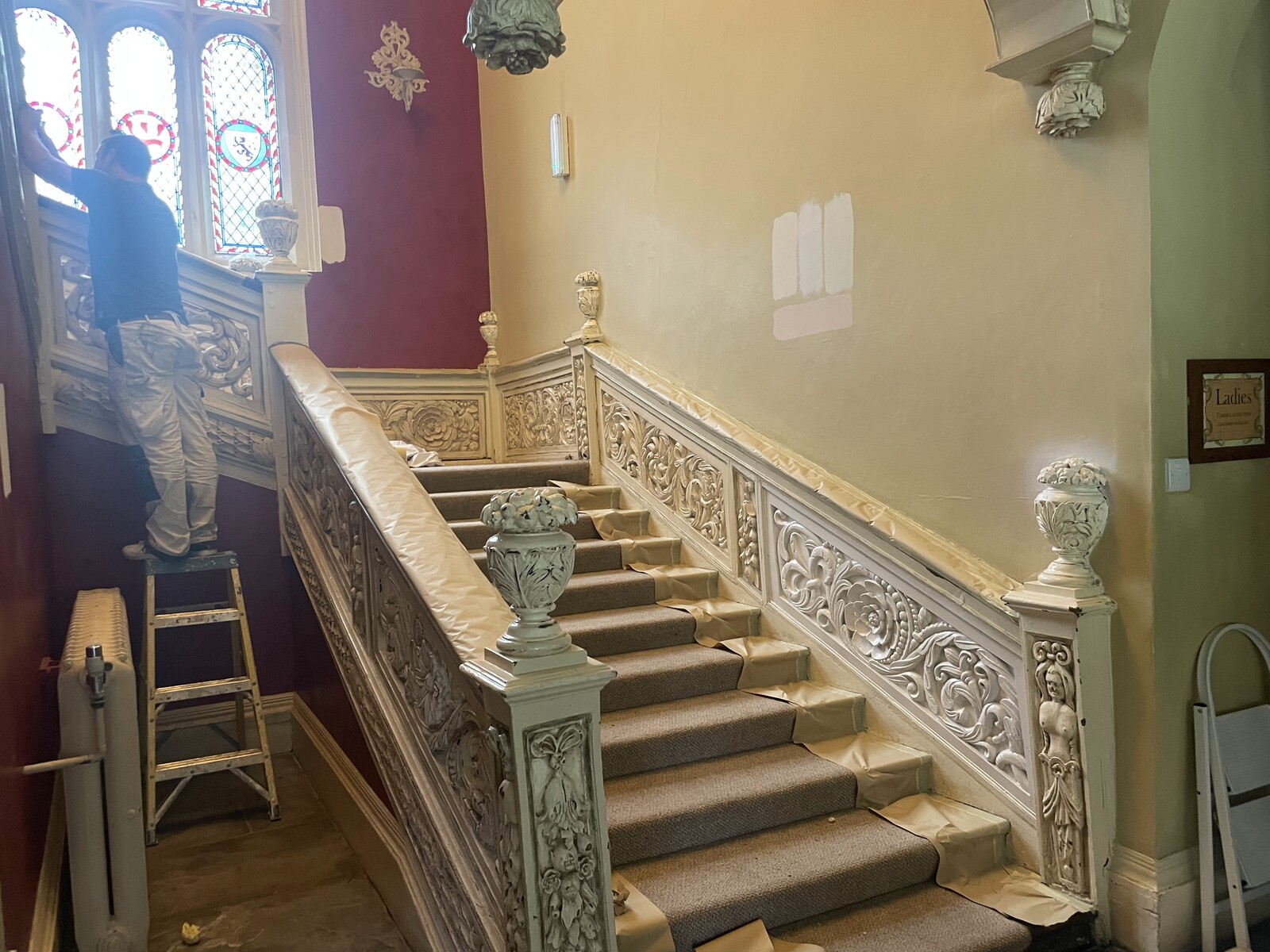
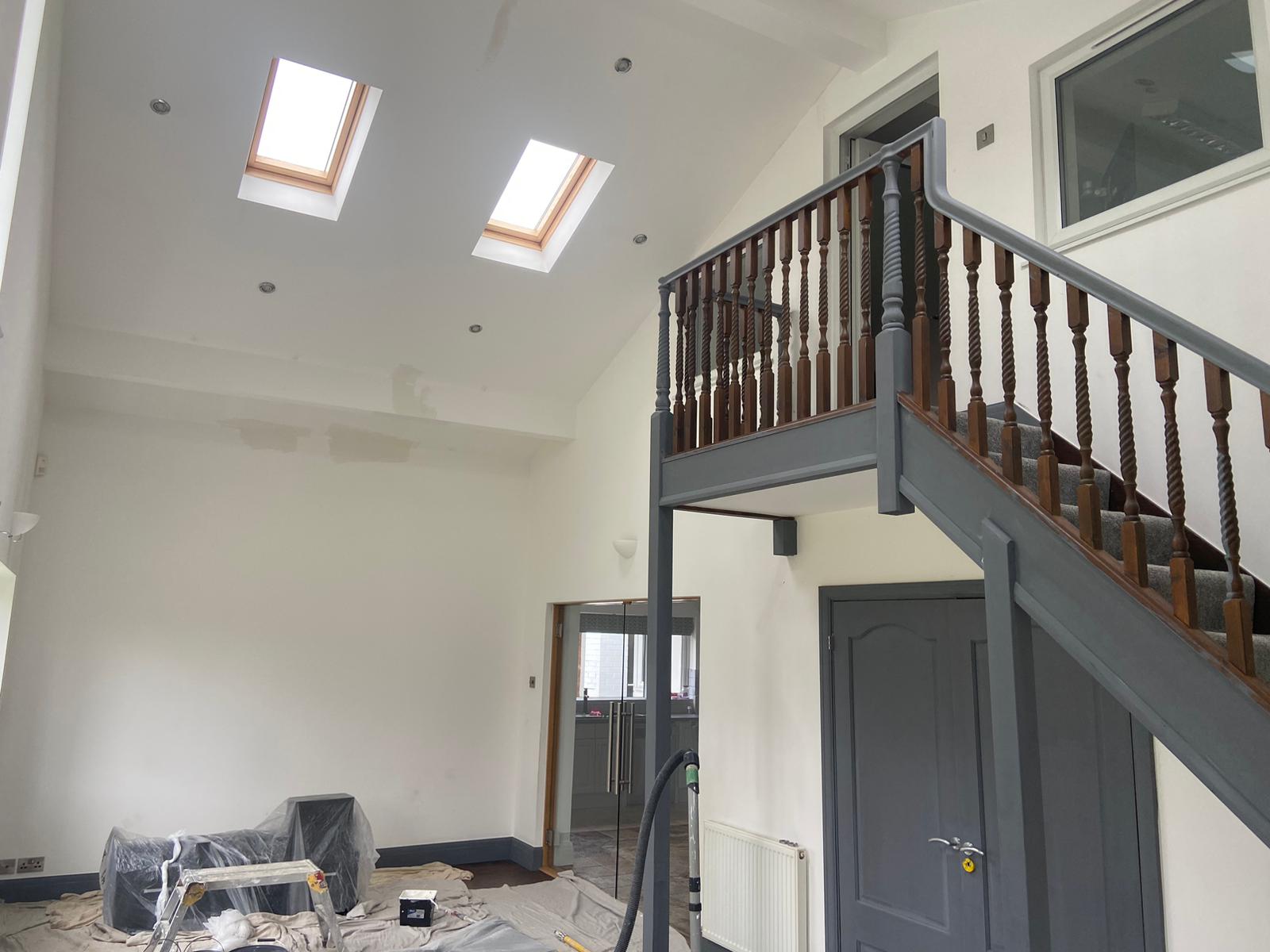
This staircase and hallway project involved complete redecoration. Previously stained timber was prepared with an adhesion-promoting primer before being changed to a painted finish.
Small items and valuables should usually be removed. Larger furniture can often be moved or protected depending on the room and scope of work.
Usually, yes. The number of coats and whether a specialist primer is needed depends on the existing colour, surface and chosen finish.
Yes. Doors, frames, skirting, architraves and other painted woodwork can be included in the quote.
Rental and HMO decorating is often about durability, sensible scheduling and getting tired rooms presentable again between occupants.
Rental & HMO decorating →From a single feature wall to a complete room, careful preparation and accurate pattern matching help wallpaper look crisp rather than merely stuck on.
Wallpapering →See the wider range of painting, decorating and specialist finishing options.
View all services →These guides cover some of the preparation questions that come up most often on interior decorating work.
Cleaning, filling, sanding and selective priming for a more even finish.
Read the guide →Door preparation, panel order, edges and controlling runs.
Read the guide →Why water, nicotine and other marks return through ordinary emulsion.
Read the guide →Send your postcode, the surfaces involved and a few clear photos.